Princeton University Program for Community College Engagement
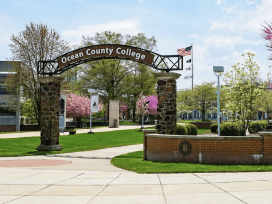
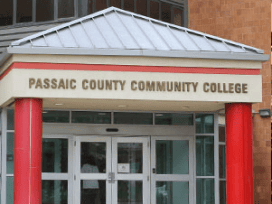
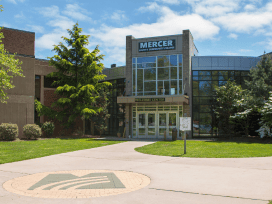
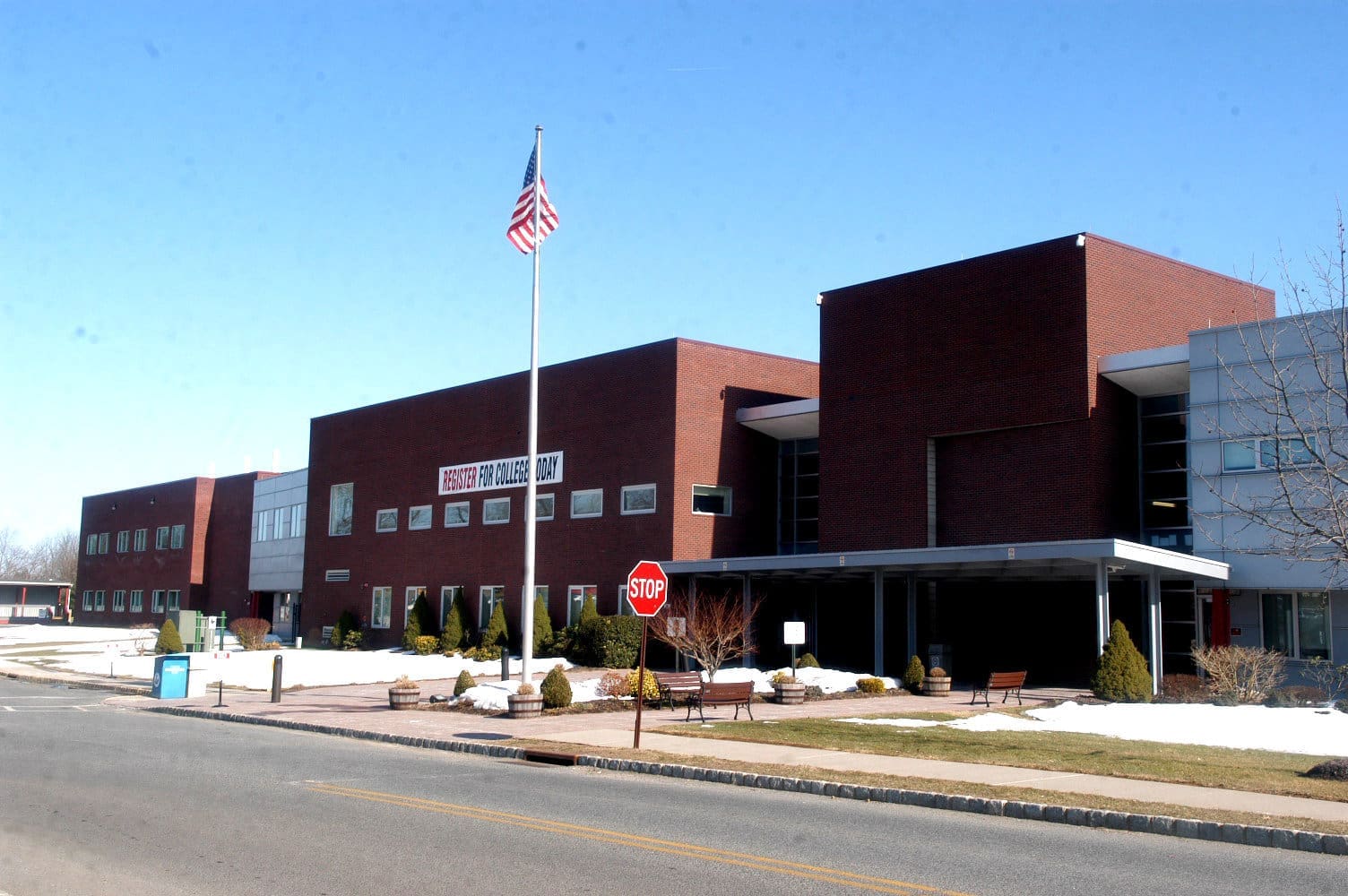
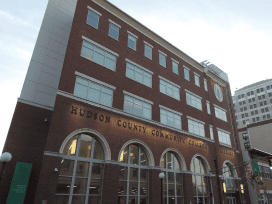
The Program for Community College Engagement (PCCE), part of Princeton University’s McGraw Center for Teaching and Learning, is honored for its partnership with New Jersey community colleges to expand opportunities for community college students and faculty. PCCE brings together faculty from NJ’s community colleges to share cultural resources, enrich classrooms, and demonstrate the impact of the humanities in local communities.
In coordinating relationships between Princeton University and the NJ community colleges, PCCE oversees four anchor programs:
- The Teaching Transfer Initiative: places recent Ph.D.s at partner community colleges, where they teach and offer transfer advising. One of the courses they offer is accredited by Princeton University, and held on the community college campus at no charge to the students.
- The Community College Teaching Fellowship: sends Princeton graduate students to community colleges to be mentored by the community college faculty and to teach their own courses there.
- The Community College Faculty Program (formerly the Mid-Career Fellowship Program): brings faculty from NJ’s community colleges to Princeton to audit courses and offers high-impact learning experiences for their students and themselves.
- The Prison Teaching Initiative: partners with NJ community colleges to provide college courses to incarcerated students.
PCCE’s monthly newsletter highlights upcoming events and academic opportunities at Princeton University that are open to community college faculty, staff, and students. (Sign up for the newsletter here.).
The Program for Community College Engagement invests in New Jersey’s broader higher education ecosystem and strengthens academic collaboration across the state. Signature examples of this collaboration are the two statewide Humanities convenings coordinated by PCCE, Princeton’s Humanities Initiative, the New Jersey Council for the Humanities, and the NJ Council of County Colleges, where faculty and administrators gathered to discuss the importance of the humanities in our classrooms and our communities, and to imagine possibilities for collaboration. Leaders from New Jersey’s community colleges have emphasized that these collaborations help revitalize the humanities, create innovative learning experiences, and reinforce the central role community colleges play in advancing economic mobility and civic engagement statewide. In this way, PCCE serves not only as a bridge between institutions, but also as a model for how universities and community colleges can work together to expand opportunity and strengthen New Jersey’s educational future.